HomeProductsGastroenterologyNasogastric / Nasointestinal Feeding Tube
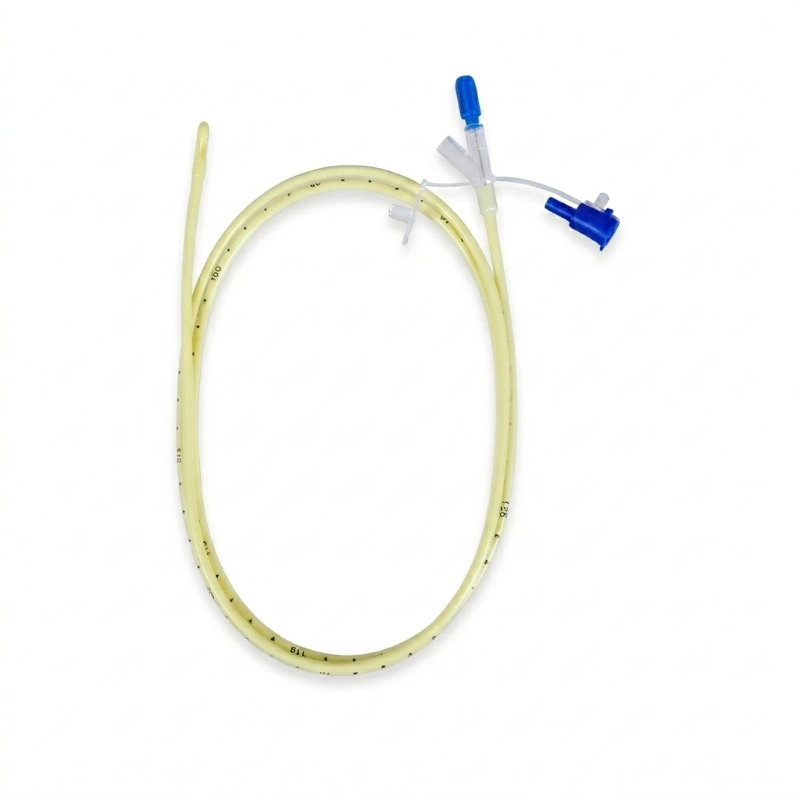
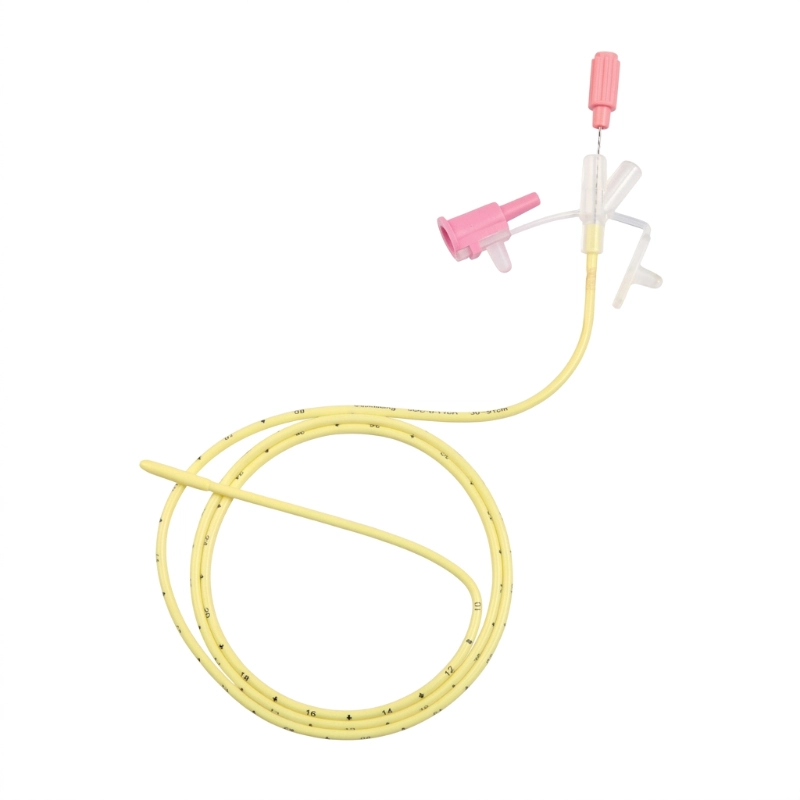
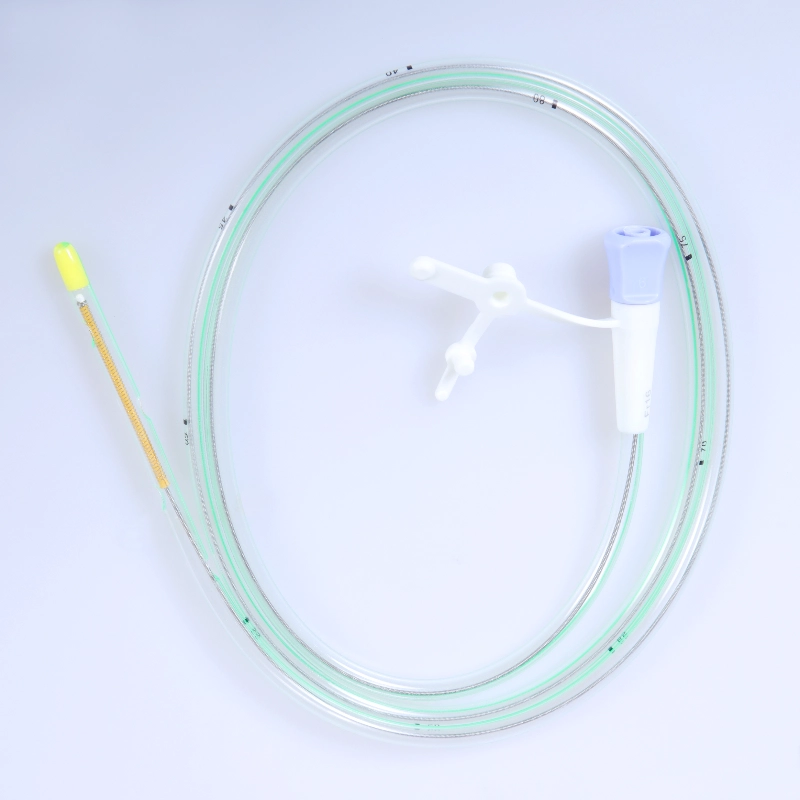
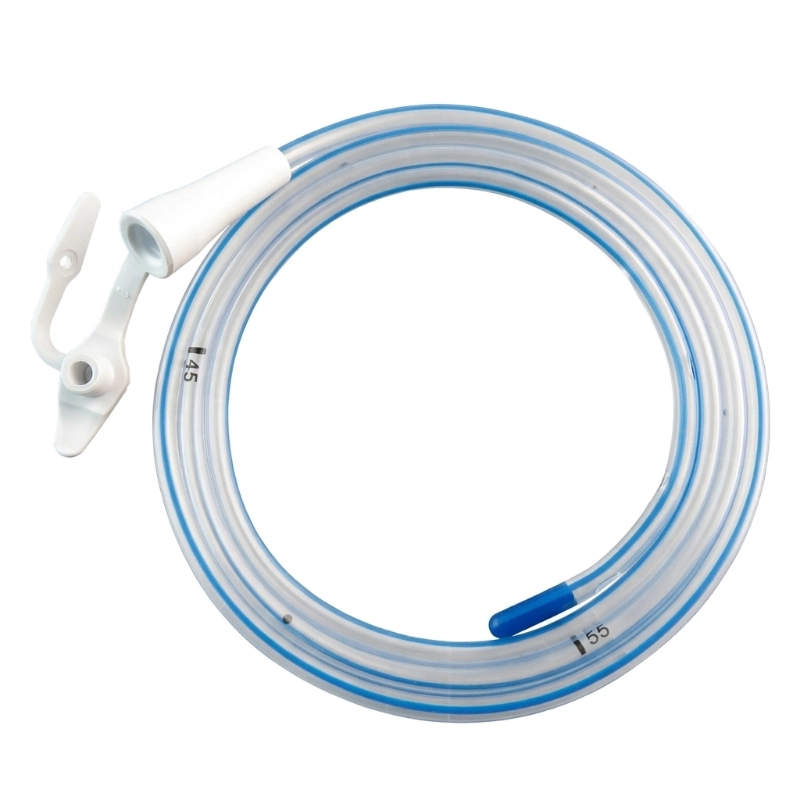
polyurethane Nasogastric / Nasointestinal Feeding Tube radiopaque line
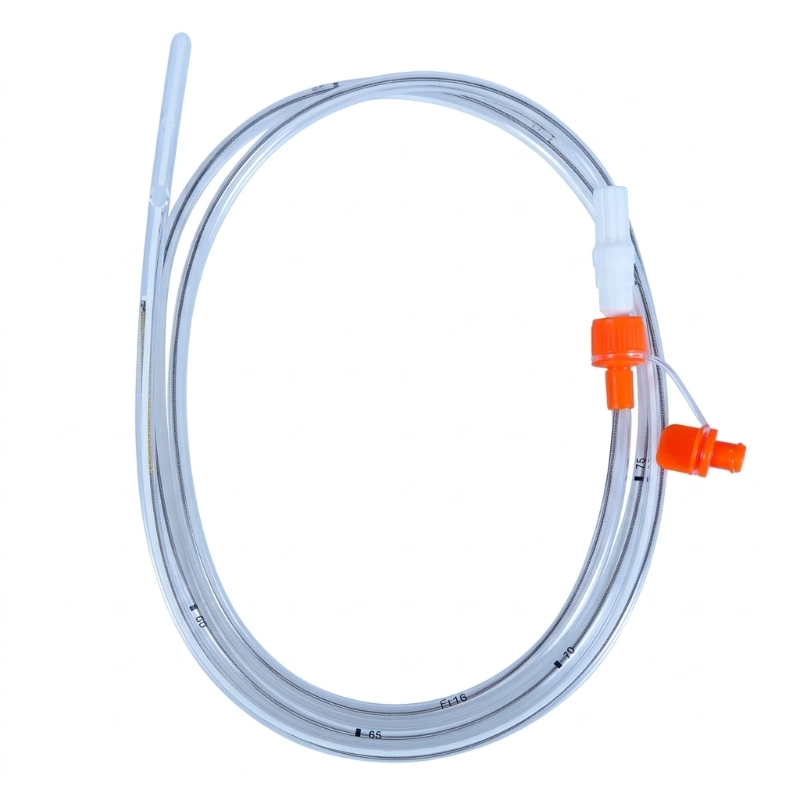
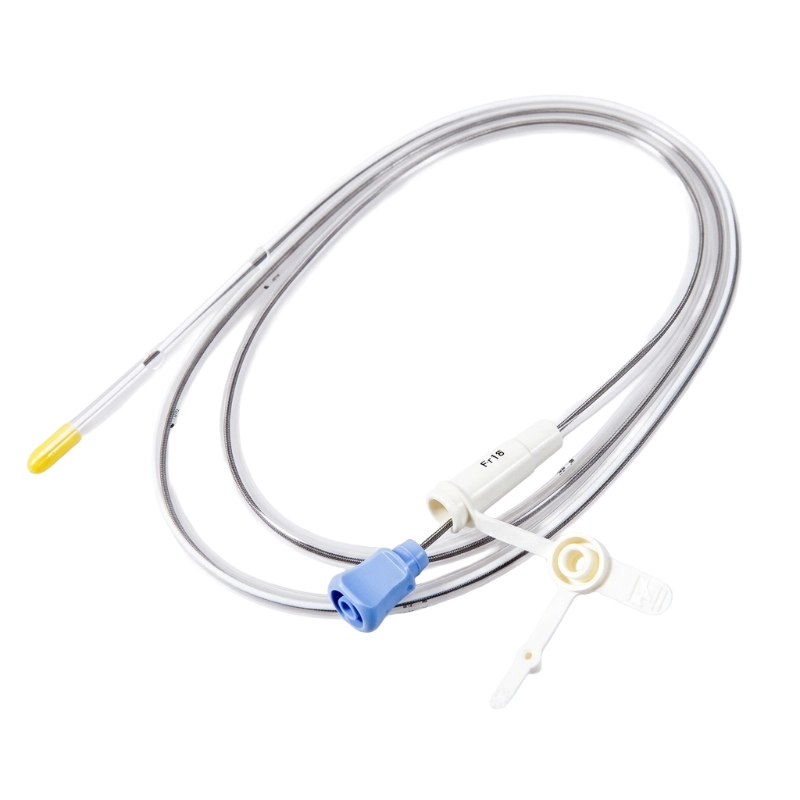
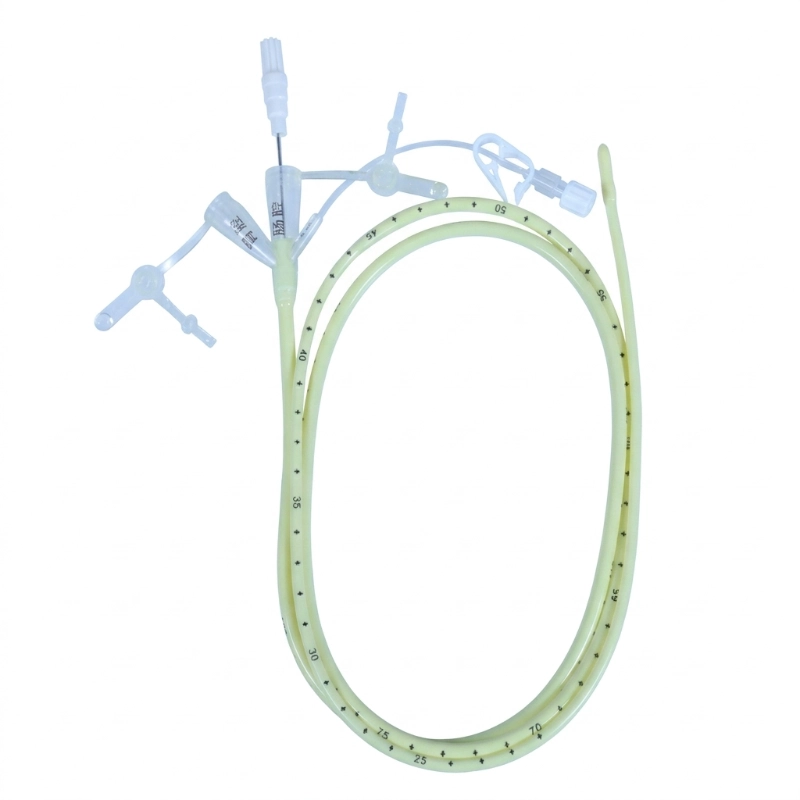
Nasogastric / Nasointestinal Feeding Tube with guidewire
OEM medical device manufacturer showcasing custom nasogastric tube tips and enteral feeding tube components.
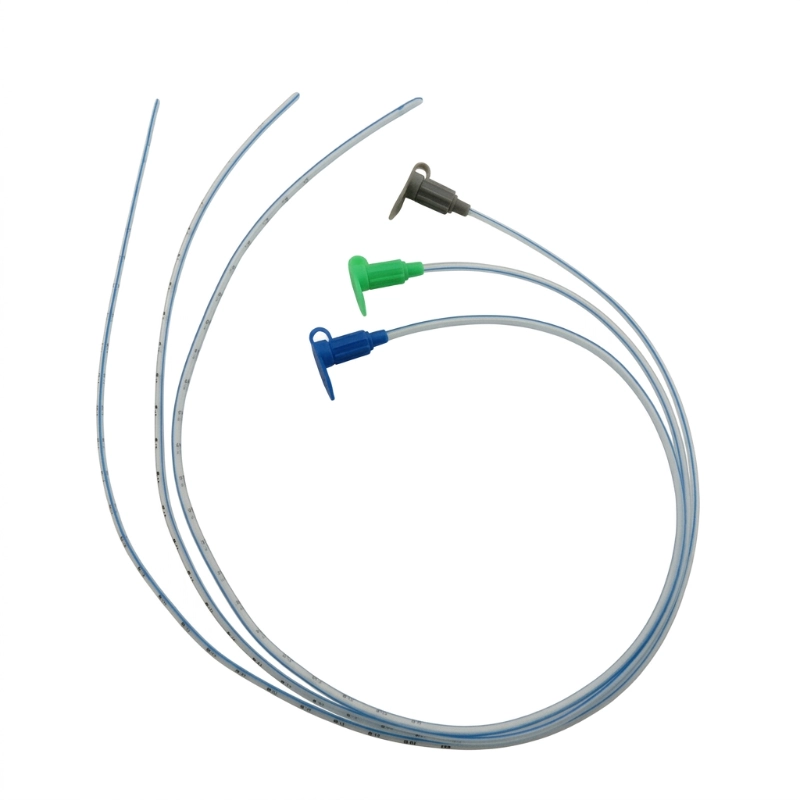
Nasogastric / Nasointestinal Feeding Tube polyurethane NJ tube with bullet tip and ENFit connector
Nasogastric / Nasointestinal Feeding Tubewith Hydrophilic Coating
polyurethane Nasogastric / Nasointestinal Feeding Tube radiopaque line
Nasogastric / Nasointestinal Feeding Tube with guidewire
OEM medical device manufacturer showcasing custom nasogastric tube tips and enteral feeding tube components.
Nasogastric / Nasointestinal Feeding Tube polyurethane NJ tube with bullet tip and ENFit connector
Nasogastric / Nasointestinal Feeding Tubewith Hydrophilic Coating

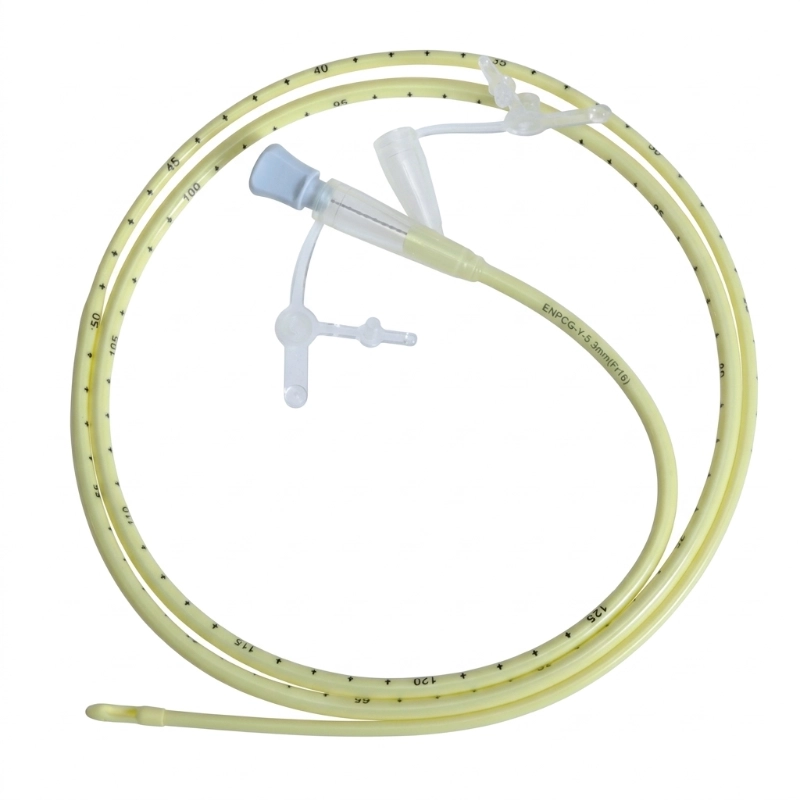
Nasogastric / Nasointestinal Feeding Tube

Nasojejunal (NJ) Feeding Tube – Post-Pyloric Enteral Feeding Solution

The nasojejunal feeding tube (NJ tube) is designed for safe and effective post-pyloric enteral nutrition, delivering nutrients directly into the small intestine to significantly reduce aspiration risk.

Compared with traditional nasogastric tubes, this nasojejunal feeding tube bypasses the stomach, minimizing reflux and improving feeding tolerance in critically ill patients.

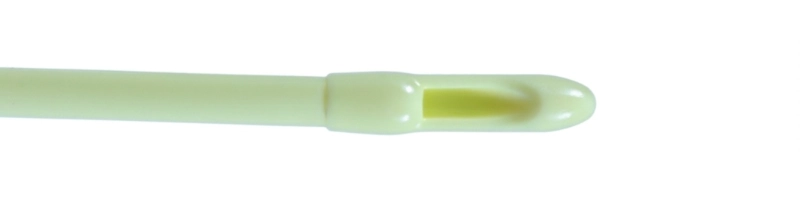
Manufactured from medical-grade polyurethane, the tube offers excellent flexibility, durability, and patient comfort for medium to long-term use. The bullet tip design ensures smooth insertion and improves placement success rate, making it ideal for ICU and clinical applications.

  • Product Introduction
  • FAQ

Features

Post-Pyloric Enteral Feeding Solution

Reduced Aspiration Risk

Direct small bowel feeding effectively reduces gastric reflux and aspiration, especially for ICU and high-risk patients.

High Placement Success Rate

The optimized bullet tip / weighted tip design helps the tube pass smoothly through the pylorus into the jejunum.

Superior Patient Comfort

Made from soft polyurethane (PU) material, which is more flexible and biocompatible than traditional PVC tubes.

Hydrophilic Coating

Reduces friction during insertion, minimizing mucosal irritation and improving patient tolerance.

Radiopaque for Accurate Placement

Full-length radiopaque line allows clear visualization under X-ray for accurate positioning.

Universal Compatibility

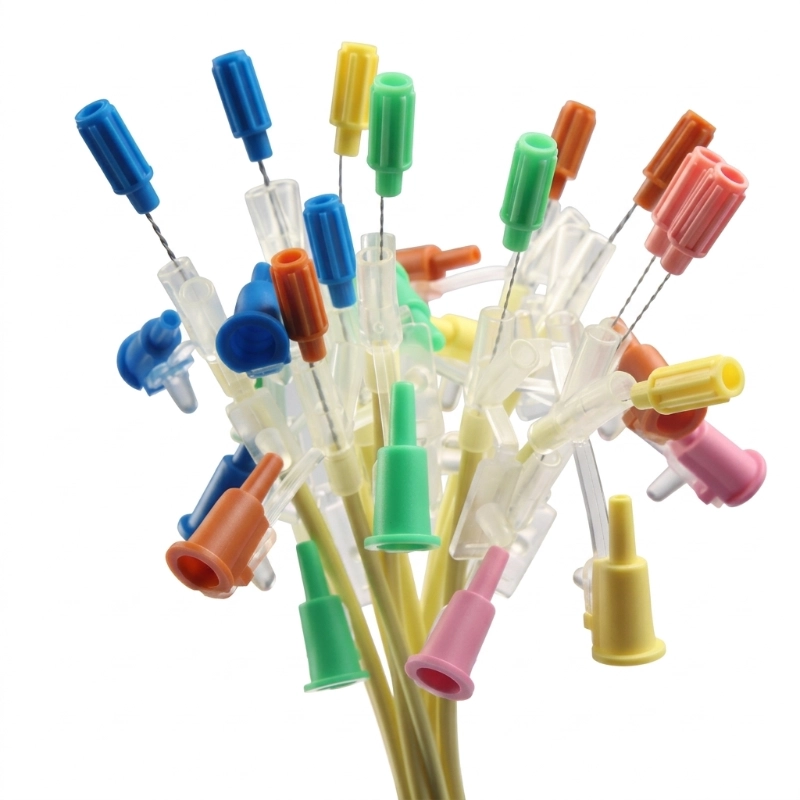
Available with ENFit connector or standard funnel connector to meet international safety standards.

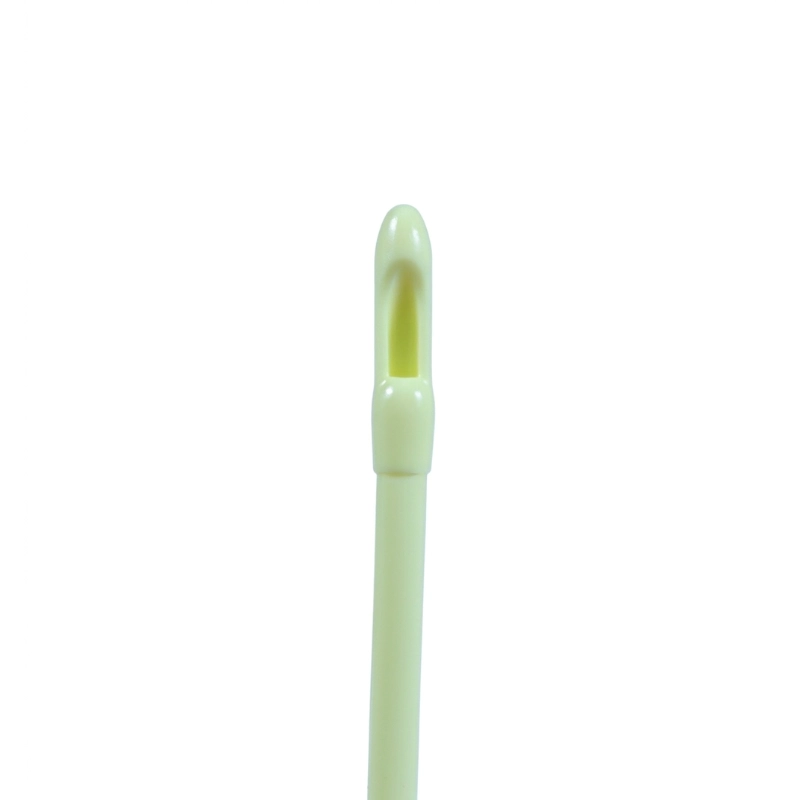
Streamlined Bullet-Tip:

The aerodynamic tip reduces resistance during advancement through the pylorus, significantly increasing the success rate of bedside blind placement.

Nasogastric / Nasointestinal Feeding Tube with guidewire

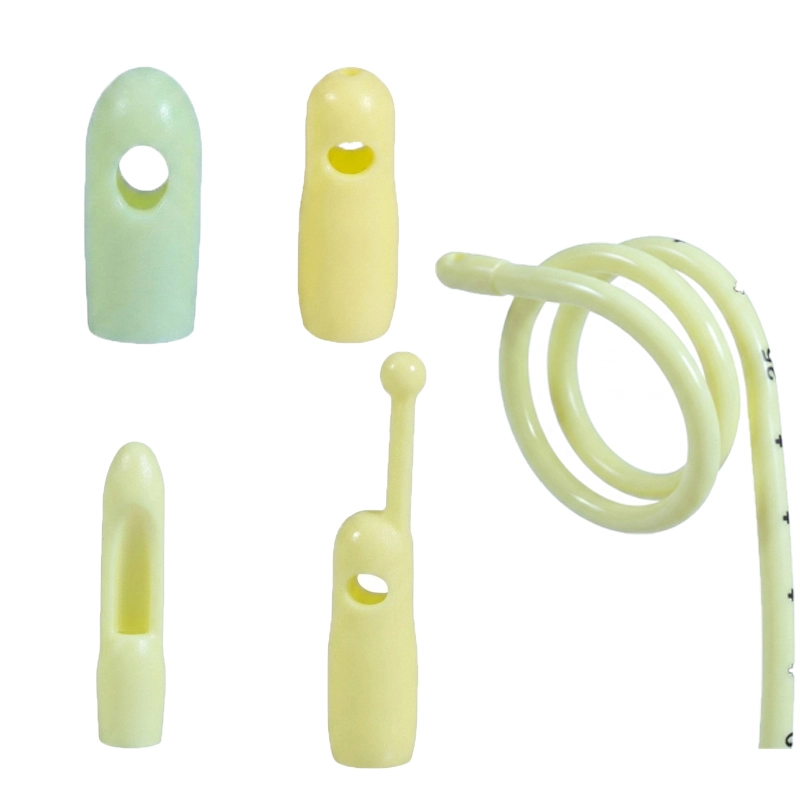
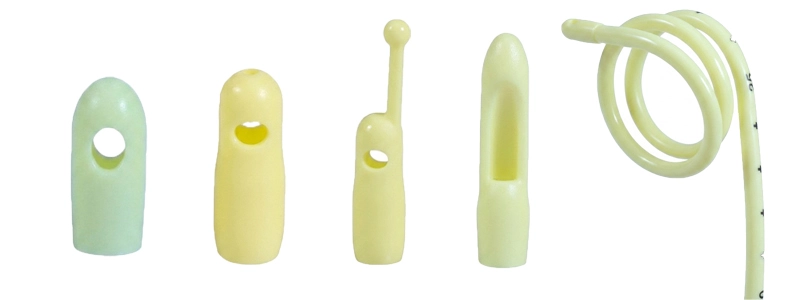
We offer a diverse range of tip configurations to accommodate various clinical insertion techniques and placement protocols

5 types of nasogastric and nasointestinal feeding tube tips including bullet, spiral, and weighted designs for enteral nutrition.
Specification Details
Product Name Nasogastric / Nasointestinal Feeding Tube
Material Medical Grade Polyurethane (PU)
Size 6Fr / 8Fr / 10Fr / 12Fr/14Fr/16Fr/18Fr
Length 80 cm / 100 cm / 120 cm / Custom
Tip Type Bullet Tip / Weighted Tip
Guidewire Optional
Coating Hydrophilic Coating
Radiopacity Full-length Radiopaque
Connector ENFit / Funnel
Sterilization EO Sterilized
Shelf Life 3–5 Years
Packaging Sterile Individual Package

Nasojejunal Feeding Tube vs Nasogastric Tube

Feature Nasojejunal Tube (NJ) Nasogastric Tube (NG)
Placement Small Intestine Stomach
Aspiration Risk Low High
Feeding Method Post-pyloric Gastric
Patient Type ICU / Critical Care General Patients
Feeding Tolerance Better Moderate

Nasogastric / Nasointestinal Feeding Tube Applications

  • Oncology patients
  • ICU and critical care patients
  • Neurological disorders (stroke, coma)
  • Patients with high aspiration risk
  • Gastroparesis or gastric dysfunction

Why Choose AOKOO Nasogastric / Nasointestinal Feeding Tube?

  • Bedside Convenience: No need for expensive fluoroscopy or endoscopy suites; designed for simple manual bedside placement.
  • Reduced Complications: Lower incidence of nausea, vomiting, and abdominal distension by avoiding direct gastric stimulation.
  • Cost-Efficient: Achieve the same clinical outcomes as top-tier international brands at a more competitive manufacturing price point.

  • Q

    What is the difference between NJ tube and NG tube?

    A

    NJ tubes deliver nutrition to the small intestine, reducing aspiration risk, while NG tubes deliver to the stomach.

  • Q

    How long can a nasojejunal tube remain in place?

    A

    Typically, it can remain in place for up to 30 days depending on clinical conditions.

  • Q

    How does the Hydrophilic Coating assist in patient care?

    A

    Our NJ tubes feature a premium hydrophilic coating on both the internal and external surfaces. Once activated, the coating creates an ultra-low friction surface, allowing for smoother insertion and easier removal of the guidewire. This minimizes mucosal trauma and improves overall patient tolerance during the procedure.

  • Q

    Can this feeding tube be clearly visualized under X-ray?

    A

    Yes, absolutely. The tube is designed with a full-length radiopaque stripe (fully radiopaque body options available). This ensures high-contrast visibility under X-ray or fluoroscopy, allowing clinicians to precisely verify and document the exact position of the distal tip within the small bowel.

  • Q

    Why is Medical-Grade TPU preferred over traditional PVC?

    A

    We use high-quality Thermoplastic Polyurethane (TPU), which is DEHP-free and highly biocompatible. Unlike PVC, TPU remains flexible and softens at body temperature, conforming to the patient's anatomy. This allows for a longer safe indwelling time (up to 30 days) while reducing the risk of tube kinking or hardening.